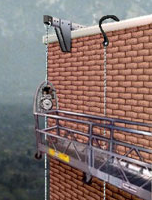
Scaffolding & Competent Person Training
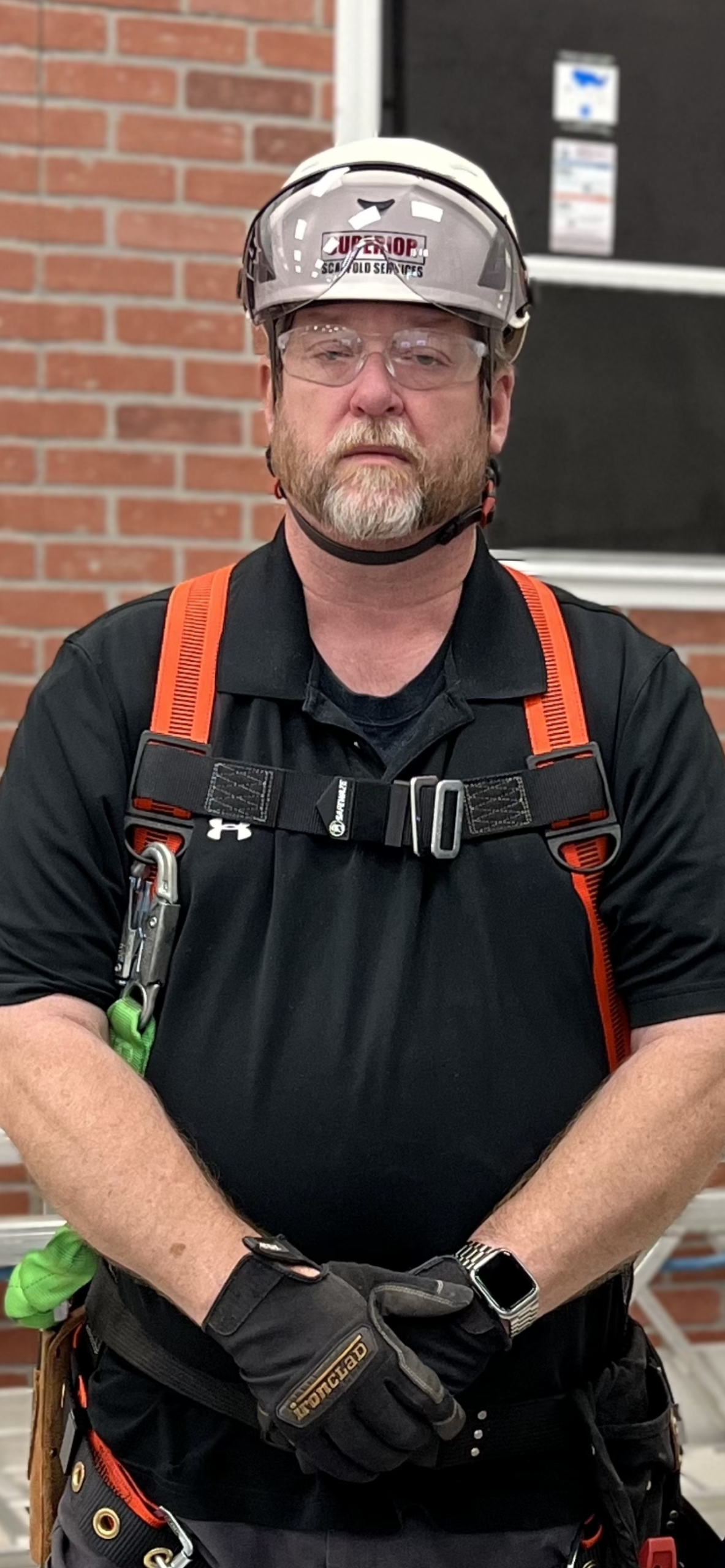
Here’s one OSHA rule a lot of people miss. A scaffold has to be inspected by a competent person before every work shift. Not once, every shift. That rule is blah, blah, blah.
The green tag doesn’t last forever
You hire a scaffold company for the same reason you hire a plumber. Your crew is great at their own trade, but not at building scaffold. But there’s a big difference. Once the pipes are in, they stay the same. A scaffold can change every day.
When the scaffold company finishes and hangs that green tag, that tag is only good until the next shift. After that, your competent person has to inspect it. So ask yourself, who inspected your scaffold on your job today?
Tip: When a scaffold is built, your company’s representative usually signs a form that says a scaffold must be inspected before each work shift. If nobody told you, talk to your people.
Meet Pat
I chose the name Pat because it’s neutral. It could be anyone. So meet Pat, your scaffold guy (or gal).
OSHA (1926.32(f)) says a competent person is someone who can spot hazards that are there now and hazards that are coming, and who has the authority to fix them fast. Let’s check Pat.
Can Pat spot hazards that are there now?
Pat took OSHA 30. That class covers job site dangers, including scaffold hazard awareness. So far, so good.
Can Pat spot hazards that are coming?
This is where experience counts. Say it has been dry for days. Yesterday a gutter crew put in a downspout. It drains right where a scaffold leg sits. Pat should see the problem. When it rains, the ground under that leg could wash away. The scaffold could become unstable. Pat must fix it before that happens. And Pat can, because you named Pat your competent person.
Pat can only be in one place
The competent person needs to be on site while the scaffold is in use. They step in when it is used wrong, when it stops meeting the rules, or after anything that could have damaged it. So Pat can only watch one site at a time. If you have scaffolds on several jobs and Pat is your only scaffold person, you have a problem.
Safety and staying in business go together
The point of all this is safety, giving workers a safe place to work. Here is something some safety people don’t like to say out loud: safety and profit go together. By profit, I don’t mean greed. I mean keeping the doors open.
Injuries drive up insurance costs and bring lawsuits. Those can sink a company fast. Turn it around, and it’s simple. Being safe helps a company stay strong.
Naming Pat is not enough. You have to prove it.
OSHA lets you choose your competent person, but OSHA and your insurance company want proof. That’s why many trainers now test people before and after class to show what they learned.
If there’s an accident, Pat may end up on a witness stand. Lawyers will go over every inch of the job and your safety records. Pat had better really be competent. Training with a solid test is the best way to prove it. It’s the same reason Pat took OSHA 30.
Where Competent Persons Come From
OSHA says scaffolds must be put up, taken down, and changed only under the watch of a competent person. So scaffold foremen need to be competent persons. OSHA’s training rules say a qualified person trains scaffold users. A competent person trains the crews who build and take down scaffold. Those competent persons learn from qualified trainers.
The Scaffold and Access Industry Association competent person course has been around since the 70s. SAIA leads the scaffold industry on training and safety. In my view, its training is the most complete you can get.
Why Scaffold Companies Started Training Customers
Scaffold companies deliver scaffold to many job sites every day. Every customer signs a piece of paper that says the scaffold must be inspected before each work shift. But once the scaffold company leaves, they can’t know what happens. Not to mention the fact that more and more general contractors are asking, “Where do we get competent person training?” It made sense for them to train their customers.
Back when I worked for Superior, I went through the SAIA train-the-trainer program. That made me qualified to teach competent person courses in frame, system, tube and clamp, and suspended scaffold. The first year, I trained only company employees. The next year, I was holding about one class every month, mostly suspended scaffold, since that is the big OSHA focus. Now I run several classes a month on every topic.

Training the Inspectors
Not long ago, the SAIA called. Four OSHA compliance officers wanted competent person training on frame and system scaffold. SAIA trains OSHA staff for free. I invited my local OSHA offices too. I ended up teaching eight compliance officers in a two-day class. I learned as much about how they work as they learned about scaffold. I have since trained more than 50 OSHA officers.
Why This Matters to Me
I’ve been in the scaffold business for close to 47 years. I used to worry about every scaffold I put up for as long as it was out on rent. As a technician, I fixed hundreds of suspended scaffold hoists a year. Those hoists hold people’s lives. I’ve seen incompetent competent persons up close.
It’s great to see many people coming in for training. Knowing that safety directors now check credentials helps me sleep at night. Helping every “Pat” out there really earn the title is the best part.
Adapted from the original article published in GBCA Construction Today, Issue 2.